What else
Research areas where laboratories buy the Wolverine Blend for in vitro work include comparative study of how angiogenic signaling (BPC-157-led) and actin-driven cell migration (TB-500-led) interact during tissue repair, VEGF/VEGFR2 and FAK-paxillin pathway activity in cell-culture models of tendon, ligament and muscle repair, thymosin--4-dependent actin polymerization and cytoskeletal remodeling in wound-healing assays, and preclinical evaluation in rodent models of soft-tissue, musculoskeletal, and gastrointestinal-mucosal repair
GHK-Cu and BPC-157 synergy improves collagen production, skin elasticity, and overall tissue quality for functional and aesthetic benefits

Olympia) You're not in drug-tested competitions You've thoroughly researched and understand what you're doing Even then, consider: Therapeutic testosterone replacement (TRT) under doctor supervision Rather than blasting high doses for cycles This maintains stable levels with medical oversight Better long-term health outcomes than cycling Consider peptides if: You might be a candidate for peptides if: You want enhanced recovery and performance You're dealing with injuries that won't heal You want modest muscle gains without health risks You've optimized training and diet but want an edge You're 21+ years old (generally safe for adults) You're willing to commit to consistent use (months, not weeks) You understand results are moderate, not dramatic You want sustainable, long-term enhancement You compete in drug-tested sports (many peptides aren't tested for) Peptides make sense for: Athletes wanting legal recovery enhancement People with chronic injuries Natural bodybuilders wanting an edge Aging individuals optimizing health Anyone wanting conservative, safer enhancement Consider neither if: You should not use either if: You're under 21 (let your endocrine system mature) You haven't optimized natural training and diet You have pre-existing health conditions (heart, liver, kidney issues) You can't afford proper bloodwork and monitoring You're using to compensate for poor training/diet You have body dysmorphia or unhealthy fitness obsessions You're in early stages of training (first 2-3 years) You have addictive tendencies (dependency risk) The natural path is viable: Most people never exhaust natural potential Natural training produces lasting, sustainable results No health risks or legal concerns Cheaper and simpler long-term Better overall health outcomes Many people jump to enhancement too early

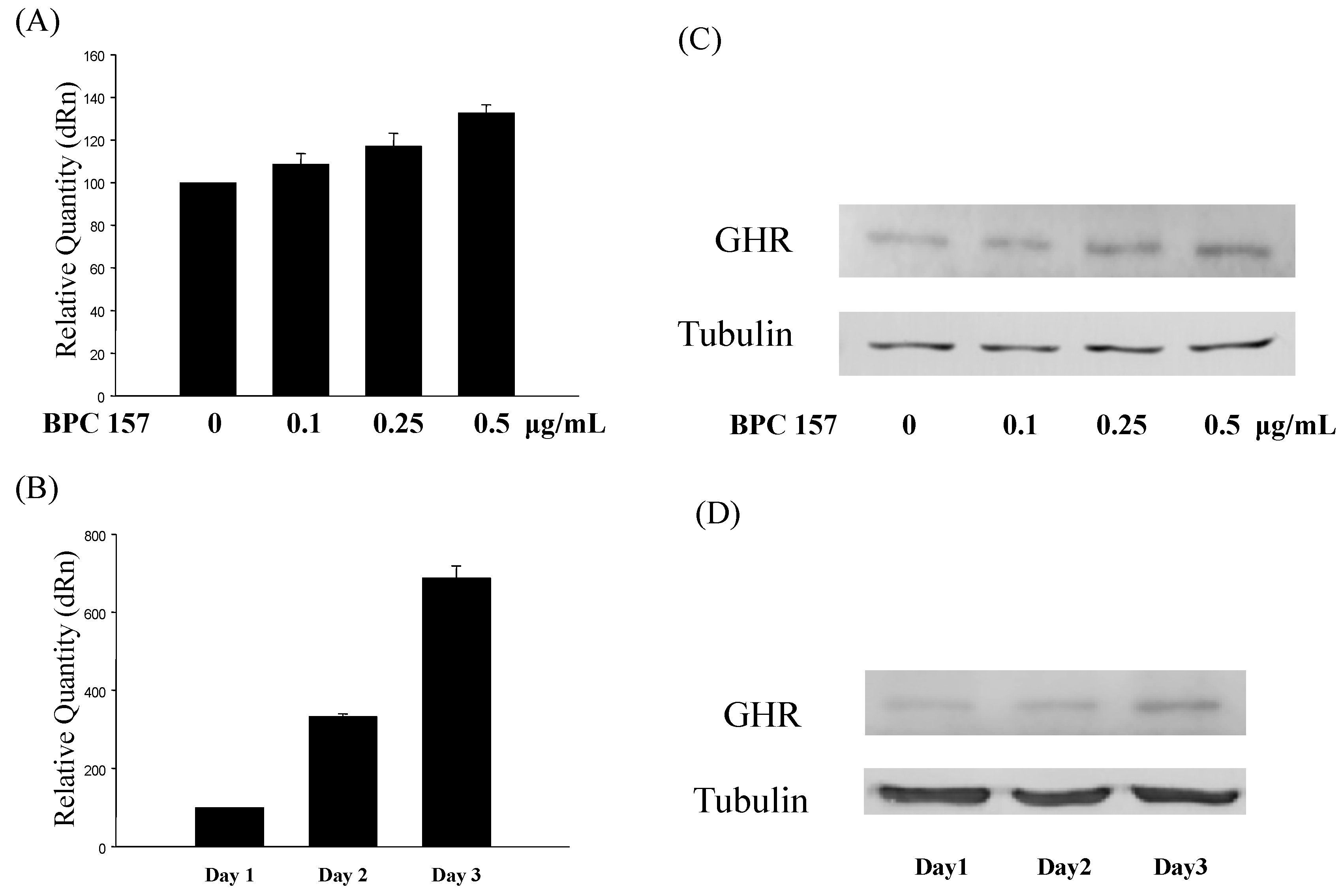
Unlike growth hormone peptides (which work through the pituitary) or GLP-1 peptides (which work through gut and brain receptors), BPC-157 works primarily through a different mechanism: it upregulates growth hormone receptors in tendon cells, stimulates angiogenesis (the formation of new blood vessels), and modulates nitric oxide signaling all of which contribute to accelerated tissue repair and reduced inflammation






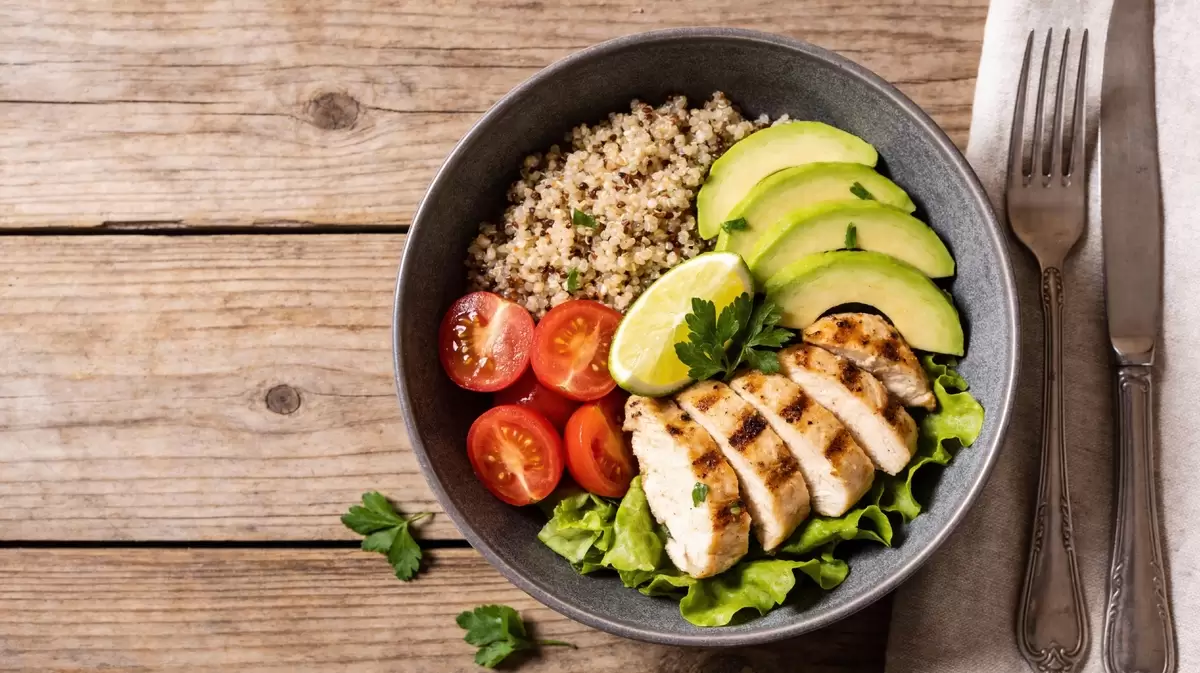
![This Easy Recipe Can Naturally Boost GLP-1 ! [Dietitian Recommended GLP-1 Recipe!]](https://i.ytimg.com/vi/Ejqeg-Pwonk/hq720.jpg?sqp=-oaymwEhCK4FEIIDSFryq4qpAxMIARUAAAAAGAElAADIQj0AgKJD&rs=AOn4CLASpkYtBdf5OMD6cA39PnnVv7JU1g)





:max_bytes(150000):strip_icc()/Simple-7-Day-GLP-1-Friendly-Meal-Plan-for-Beginners-Created-by-a-Dietitian-69f3d02b6c2c41928135df7f0c417552.jpg)